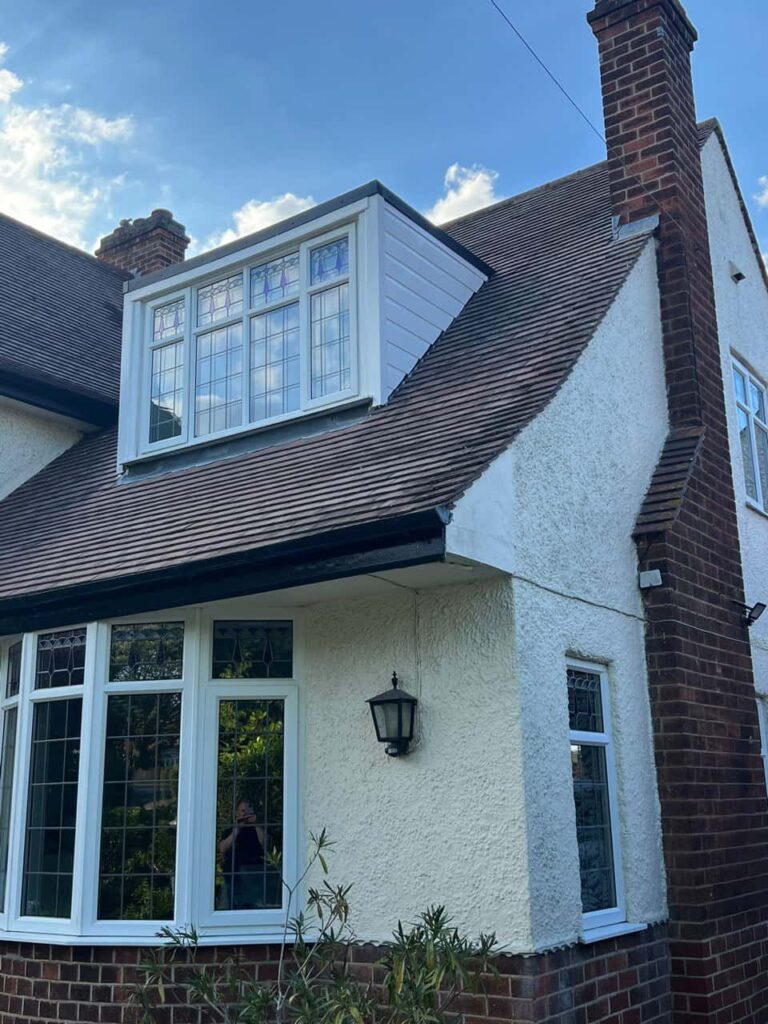
Understanding How Water Travels Through a Roofing System
A roof leak does not always produce a damp patch directly beneath the point where rain entered. Water can travel beneath tiles, along underlay, across roof timbers and through insulation before becoming visible inside the property. This can cause stains or drips to appear in different rooms, sometimes making the problem seem like several unrelated leaks.
For property owners in Kirk Ella, East Riding of Yorkshire, understanding how moisture moves through a roof helps explain why accurate leak detection is essential before repairs begin.
Water Follows the Easiest Available Route
Once rain passes through a defect in the external covering, gravity generally draws it downwards. However, roofing materials and structural components can redirect its route.
Water may move:
- Along the surface of the underlay
- Down rafters or roof trusses
- Across battens
- Around pipes and cables
- Through insulation
- Along ceiling joists
- Towards openings in the ceiling
- Around chimneys and roof penetrations
The first internal symptom may therefore appear some distance from the original defect.
Sloped Underlay Can Redirect Moisture
Roofing underlay forms a secondary protective layer beneath tiles or slates. When it remains intact, small amounts of water may run down its surface towards the eaves.
If the underlay is torn, sagging or perforated, water may collect before escaping through a damaged section. The resulting ceiling stain can appear lower down the roof slope than the damaged tile that allowed the rain to enter.
Wrinkles and poorly formed laps can also direct moisture sideways, further separating the entry point from the visible symptom.
Roof Timbers Can Carry Water
Rafters, trusses and battens can provide routes for moisture. Water may cling to a timber surface and run along it before dripping from a joint, fixing or low point.
This means a damp patch beside a wall does not necessarily indicate damage immediately above that wall. The water may have entered higher up the roof and followed a rafter to the point where it became visible.
Repeated moisture movement can leave staining along timbers, providing useful evidence during a professional inspection.
Insulation Can Absorb and Spread Moisture
Loft insulation may absorb water before it reaches the ceiling below. Dampness can spread through the material, creating a larger affected area than the original opening in the roof.
Moisture held within insulation may also take time to become visible. A ceiling mark might appear after the rain has stopped or worsen over several days as water gradually moves downwards.
Wet insulation can obscure the route of a leak, so both the surrounding material and the roof above should be assessed.
Different Weather Conditions Expose Different Defects
Some leaks only occur when rain arrives from a particular direction. Wind-driven rain can pass beneath loose tiles, failed flashing or poorly sealed junctions that remain dry during lighter, more vertical rainfall.
The location of the visible leak may therefore change according to:
- Wind direction
- Rainfall intensity
- How long the rain continues
- The amount of water reaching a valley
- Whether gutters and outlets are flowing correctly
- Which roof slope receives the greatest exposure
A leak appearing in different places does not always mean that new defects are developing each time.
Junctions and Penetrations Create Complex Water Paths
Chimneys, rooflights, vents, pipes and adjoining walls interrupt the main roof covering. These areas require carefully formed flashing and seals to remain weather-resistant.
If a junction fails, water can travel around the feature before entering the roof structure. A problem near a chimney, for example, may create staining on more than one side because moisture moves along different timbers or surfaces.
Valleys can create similar problems because they collect and carry water from two adjoining roof slopes.
Blocked Gutters Can Affect Several Internal Areas
Blocked or damaged gutters can cause water to back up beneath the lower edge of the roof covering. Instead of flowing into the drainage system, it may reach the fascia, underlay or roof timbers.
Because guttering often runs across a long section of roofline, moisture can affect several areas rather than one isolated point. Overflowing valleys and roof outlets may produce a similar pattern.
Drainage should therefore be included in any investigation of recurring or widespread water ingress.
More Than One Roof Defect May Be Present
An ageing or storm-damaged roof can contain several weaknesses at the same time. A slipped tile may affect one room while failed flashing or a blocked valley allows water into another.
Possible combinations include:
- Broken tiles and deteriorated underlay
- Failed chimney flashing and damaged mortar
- Loose ridge materials and cracked tiles
- Blocked drainage and weakened eaves
- Several unsuccessful previous repairs
When internal dampness appears in different areas, the entire relevant roof section should be inspected rather than assuming every mark has the same source.
Condensation Can Be Mistaken for a Roof Leak
Not every damp patch is caused by rainwater penetration. Condensation can develop when warm, moist indoor air reaches colder surfaces within the roof space.
Condensation may affect several areas and can sometimes appear worse during cold or wet weather. Signs can include moisture on roofing felt, damp insulation and widespread mould rather than a clear route from one external defect.
A professional assessment can help distinguish between condensation, a roof leak or a combination of both.
Why Treating Only the Ceiling Stain Is Ineffective
Painting over a water stain or repairing the section directly above it does not necessarily address the point where moisture entered. If the route has been incorrectly identified, the leak may continue or reappear elsewhere.
Accurate diagnosis should consider:
- The location and pattern of internal staining
- The condition of the loft and insulation
- Damage to tiles, slates or roof membranes
- Flashing around junctions
- Valleys, gutters and outlets
- Previous repair areas
- The weather conditions that trigger the leak
Looking at these elements together provides a clearer understanding of how water is reaching the interior.
Conclusion
Roof leaks can appear in different areas because water rarely travels in a perfectly straight line. Underlay, timbers, insulation and roof junctions can redirect moisture before it reaches a ceiling or wall. Changing weather conditions, blocked drainage and multiple defects may also alter where symptoms become visible.
If damp patches or drips are appearing in different parts of your property in Kirk Ella, TRP Roofing Kirk Ella can inspect the wider roofing system and trace the likely route of water ingress. A thorough diagnosis helps ensure that repairs address the source rather than only the visible symptom.
Call us on: 01482 420 387
Click here to find out more about TRP Roofing Kirk Ella
Click here to complete our contact form and see how we can help with your roofing needs.